


GIC phone icon.png 757-123-4567

email icon.png Email Us!

addiction
interventions
now

What is the Purpose of an Intervention?

You may have already tried to confront your loved one about the substance abuse that is hurting all of you. It is possible that this confrontation included threats if change did not occur. Often these confrontations result in family arguments or apologies or tears or promises. As time passed, however, the promises were broken, the discussions forgotten, and/or the threats were not carried out. In short, the confrontations did not bring about any lasting positive changes. Structured intervention is different and it is these differences that make it effective.

We start with care and support so that the person receiving the intervention feels that those around them are trying to help.

There is no need to respond in anger or hide behind tears or silence. Because the concerned others do not blame, judge or criticize, there is less reason to feel attacked or defensive. The information presented during the intervention is focused on the harmful consequences of the chemical use and gives specific, accurate, and true accounts of these harmful consequences. By keeping the focus on the behavior, we state and document the existence of the disease. We encourage the addicted person to get professional help for the disease. We want to avoid overwhelming them with requests for change.

While your loved one may have agreed to get professional help in the past but not followed through,

by prearranging alternatives for professional help, we remove the opportunity for the chemically addicted person to have a change of mind or to procrastinate. By making arrangements for the alternatives which we as concerned others select, we also force ourselves to take positive action and to do, rather than to threaten.


Your Intervention goals include:

1.

To present to your chemically dependent person data about his/her chemical use in a caring, concerned manner in order to motivate that person to obtain professional help.

2.

Define for yourself and all those present what you are going to do for yourself, whether that person gets help or not.


Addiction is a difficult journey. Let me help you along the way.

About Dr. Jenny Sachs
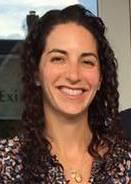
Jenny Sachs.jpgJenny has been working in the field of addiction for over a decade. She started her career as a Licensed Clinical Social Worker (LCSW) working for and then helping to run an Intensive Outpatient Program in Charlottesville, Virginia.  She has spent the past 8 years working in private practice and then got her Ph.D. in psychology with a specialization in addictions. She is also a Certified Interventionist.

Jenny believes that addiction stems from a number of factors, including genetics, environment, pain, trauma, and loss.  The root of addiction must be treated in order for a person to want to stay clean and sober. This effort is life-long and requires the support of loved ones.  Addiction is a family problem and must be treated that way.  Evidence shows that support for those in recovery leads to substantially better long-term outcomes.

Please use the form on this page to contact me and let me know how I can be of help. 

Required
Required

GIC phone icon.png 757-123-4567

email icon.png Email Us!

©2022 Addiction Interventions Now, LLC | All Rights Reserved.

Website by STUDIO CENTER